- Humans have long used symbolic systems to communicate, from hieroglyphs to road signs.
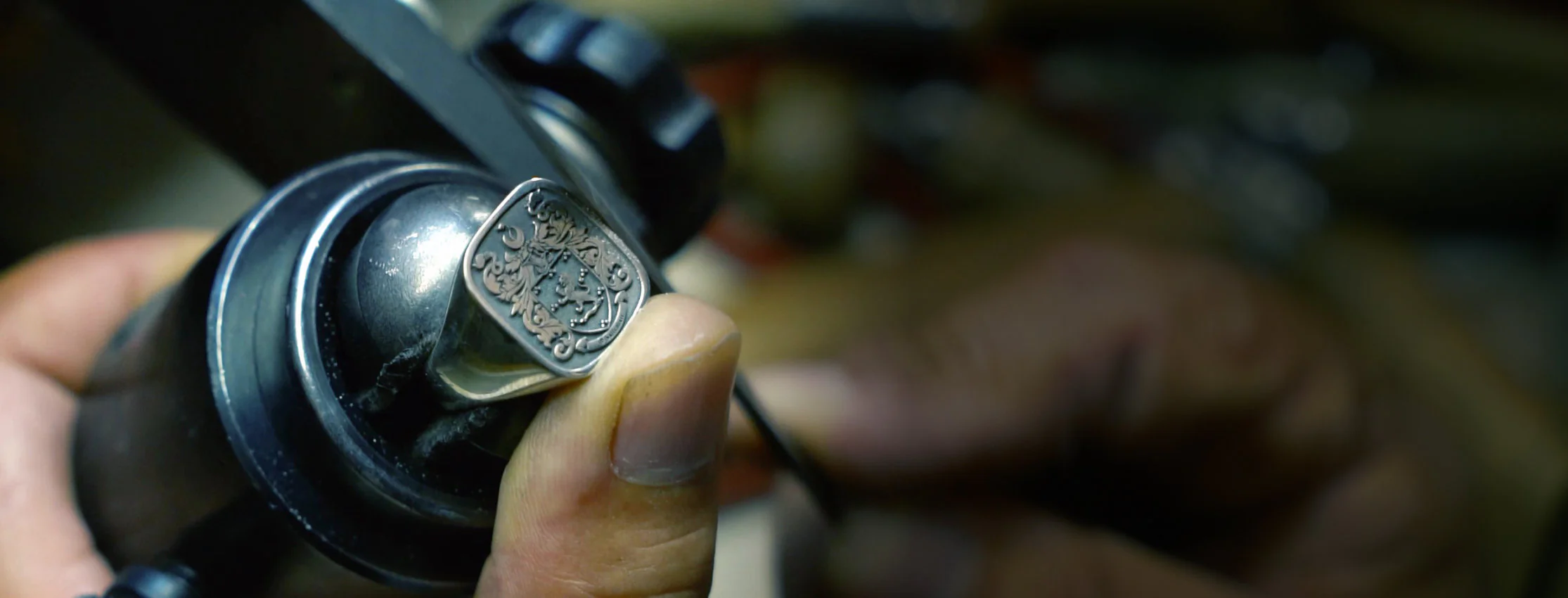
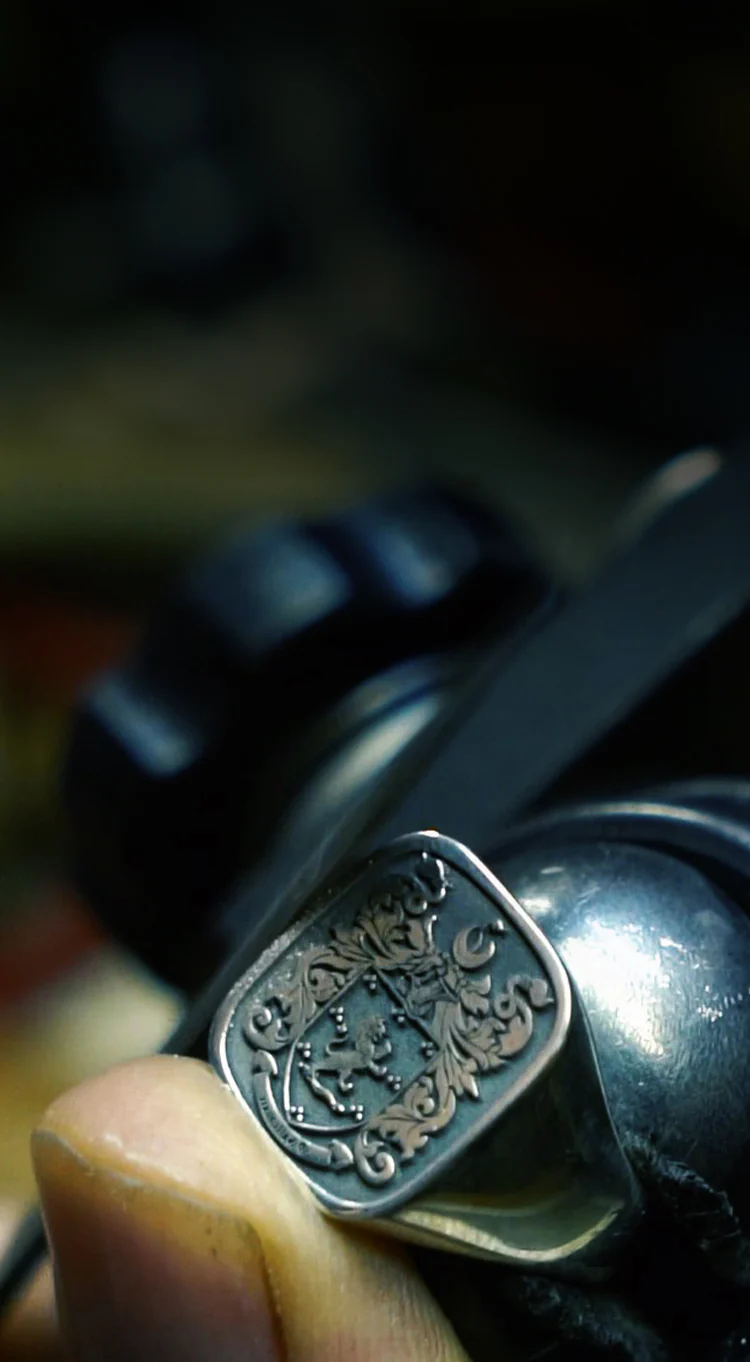
- Coats of arms emerged in the Middle Ages as a formal symbolic system.
- Coats of arms express family lineage, achievements, and social status.
- Victor Hugo described heraldry as both an algebra and a language.
- Coats of arms peaked in prominence during the late Middle Ages.
- Heraldry influenced public life across arts, military, and literature.
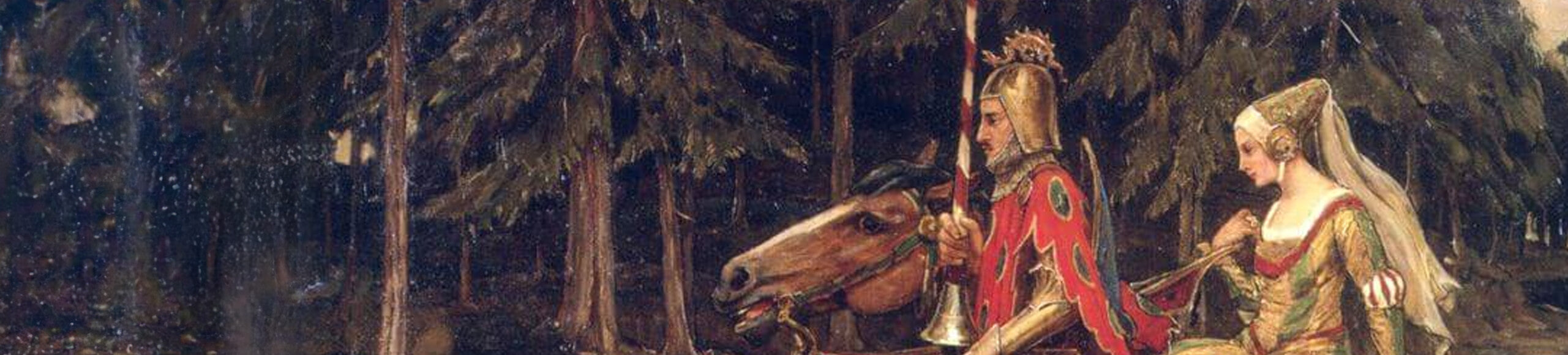
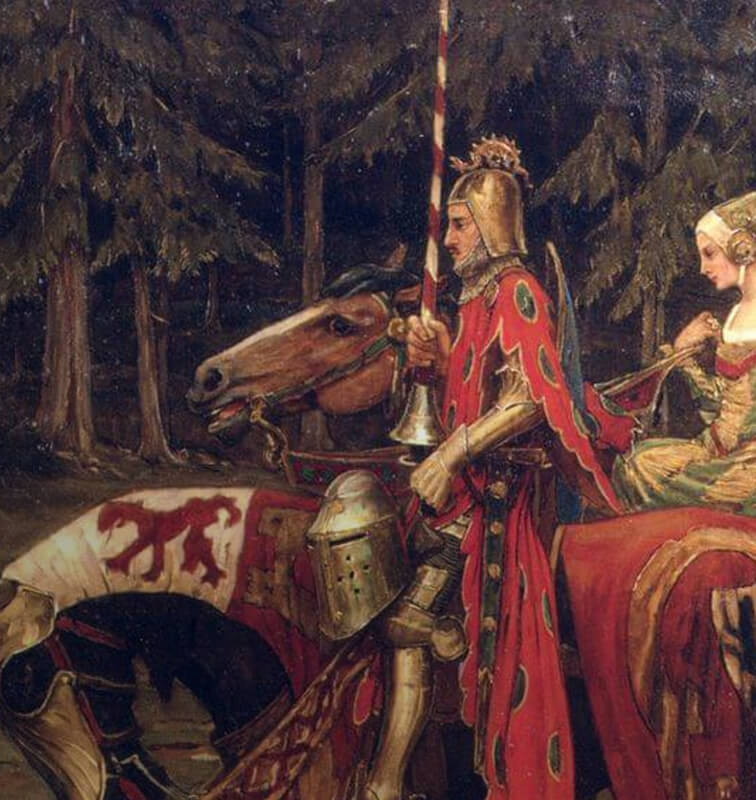
- Noblemen displayed heraldry in battle and on everyday clothing.
- Heraldic imagery appeared on palaces, household items, and tombstones.
- Heraldry gave nobles and townspeople a sense of legacy and prestige.
- Heraldic language blends Old English and Norman French.
- Heraldic terminology was designed for precise heraldic description.
- The specialized language makes heraldry feel mysterious and romantic.
- “Armory” was the original term for heraldic terminology.
- Coats of arms function as concise historical records of medieval life.
- Heraldry remains an enduring, intriguing “unspoken language” today.
From ancient hieroglyphs to modern road signs, humanity has long relied on symbolic systems for communication. Coats of arms, emerging in the Middle Ages, exemplify this tradition, yet they extend beyond mere symbols into deep expressions of family lineage, achievements, and societal status. Victor Hugo poignantly described heraldry as both an algebra and a language, encapsulating the rich tapestry of medieval life much like the Roman Church symbolized earlier ages.

During their zenith in the late Middle Ages, coats of arms permeated nearly every facet of public life— arts, military to literature. Noblemen proudly bore their family symbols into battle and in their daily attire, while heraldic imagery adorned everything from palatial decor to everyday household items and even tombstones, infusing nobility and townspeople’s lives with a sense of legacy and prestige.

However, the language of heraldry, a blend of Old English and Norman French, often remains elusive, creating an aura of mystery around its study. It was crafted specifically for heraldic descriptions, adding a layer of romance to its historical function. Coats of arms and heraldic terminology, or 'Armory' as it was originally termed, serve as concise histories themselves, capturing the essence of medieval existence in a unique, unspoken language that continues to fascinate and intrigue.


Shop Our Products